

By :
|
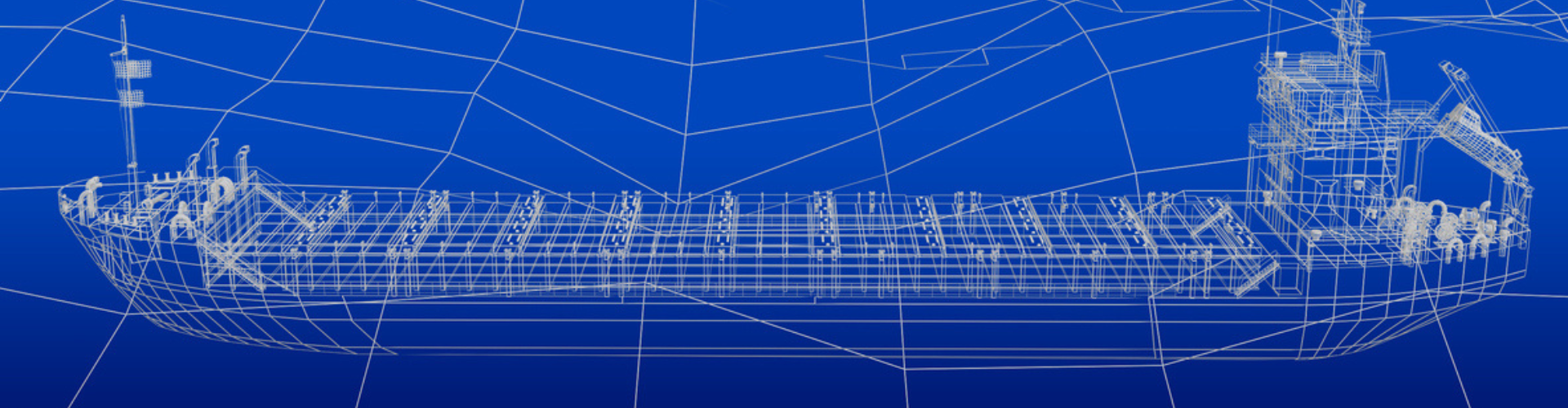
Shipbuilding has always required coordination between disciplines, suppliers and extended project timelines. What has changed of late is the level of complexity now affecting every batch of production. Vessel designs are incorporating alternative propulsion technologies, hybrid power arrangements, advanced navigation systems and advanced software-defined components. Regulatory demands regarding emissions levels, fuel flexibility, and safety configurations are stringent.
This convergence of technical sophistication and compliance scrutiny places new demands on shipyards. Design decisions at the drawing board anticipate classification approval and delivery deadlines. They also have to consider long-term operational efficiency and data readiness for future monitoring regimes. Low margins and intensifying global competition leave little room for design error, rework, or late-stage modification.
The old linear build processes struggle under these conditions. If engineering, procurement and construction operate in partial silos, misalignments get noticed late, costs rise, and schedules go awry.
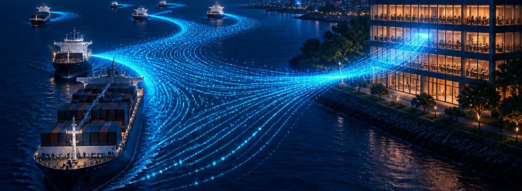
Digitalisation at the shipbuilding stage brings a disciplined response to these challenges. It provides the integration, visibility and predictive capability essential to deliver vessels that are built on time and built for the decades ahead.
What Digitalisation at the Ship Building Stage Encompasses
The digital transformation of shipbuilding represents a change in how information is created, shared and preserved from concept design to delivery.
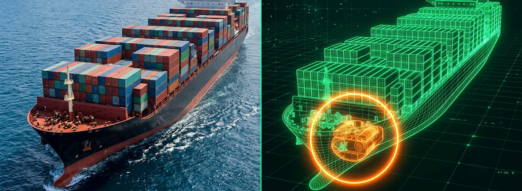
At its core, digitalisation involves integrating intelligent technology systems, automated fabrication processes and advanced simulation into a coherent manufacturing environment. 3D modelling and virtual prototyping help to identify design conflicts before steel is cut.
Digitalisation also helps establish integrated data systems that link naval architects, equipment manufacturers, sub-contractors, and yard management in a common information ecosystem. It keeps decisions related to work processes – ranging from procurement tracking to quality assurance documentation – traceable and consistent.
The goal of digitalising ship manufacturing is to optimise the in-service phase: a vessel delivered with a coherent, reliable data foundation that supports safe sailing conditions, maintenance planning and future performance optimisation.
Moving Value Creation Upstream
In shipbuilding, early adoption of coordinated digital manufacturing capabilities provides advantages beyond streamlined engineering. It improves schedule predictability, cost transparency and long-term fleet-level resilience. The impact is evident at all stages:
Design and Engineering
By resolving complexity in the virtual environments, yards protect both margin and delivery certainty.
Construction and Yard Efficiency
These capabilities augment predictability, enabling stronger control of labour, materials and timelines.
Lifecycle and Handover
In an industry where costs are high and environmental responsibilities are rising, digitally enriched shipbuilding moves value creation forward by making vessels more resilient and reliable.
Risk Factors and Constraints in Digital Capabilities for Shipyards
The progress of digitalisation in marine manufacturing is still uneven. While the industry has good access to technologies and tools, its structural realities bring some challenges in their adoption. They include:
Digitalisation falters when it is treated just as an IT upgrade. For sustainable impact, shipbuilders must replan their workflows, accountability models, and cross-partner collaboration instead of just deploying new software.
Institutionalising the Digital Thread in Shipbuilding
Digitalisation in shipbuilding offers a measurable advantage when engineering intelligence informs design and design intent flows reliably into construction and lifespan support. To institutionalise this continuity, manufacturers must make calculated technical and organisational choices, including:
When data, engineering models and production systems operate in a connected environment, digital shipbuilding compounds value with every vessel delivered.
Future-Proofing Fleet Efficacy at Construction Stage
A vessel's competitive position is determined even before it enters service. Choices made at the design and construction stage impact fuel efficiency, emissions compliance, maintenance economics, and operational resilience for years to come. Digitalisation at the build stage is therefore a long-horizon capital decision.
Telemetry and connected digital systems from yard to vessel to fleet become strategic factors, maintaining the value of critical assets over time. In the environment of tightening regulations and margin pressure, the advantage will belong to organisations that engineer intelligence into the vessel before delivery.




















.png)
























Sign up to our monthly newsletter where we will share insights, invites to exclusive webinars and other events.


