

By :
|

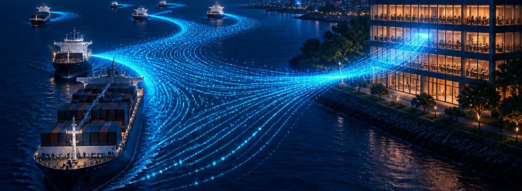
Modern ships generate an extraordinary volume of technical and operational data. Engines communicate current performance, navigation systems track routes in real time, and onboard sensors continuously transmit environmental data. Despite this growing digital footprint, some blind spots still exist at sea.
For decades, the role of onboard cameras – installed for security, piracy risk control, and post-incident investigation – has been passive, reactive, and limited in scope. Today, the operating realities of shipping are changing fast. Crews are leaner, voyages require greater scrutiny, and shore-based teams must support vessels more closely than ever before.
In this environment, advanced connectivity and edge computing are making cameras intelligent observers. AI-enabled visual feeds detect risks, recognise patterns, and build in-the-moment awareness of onboard activities. With growing expectations for safety, accountability, and remote operations, visual data has become a foundational component of modern fleet management.
Why Ships Historically Lacked Visual Intelligence
In the early phases of their development, ships were designed to work as self-contained vessels. After leaving the port, their visibility for shore teams depended almost entirely on radio communication, written logs, and periodic reports. Digital reporting has improved over the past two decades, but visual awareness has not kept pace.
Several barriers slowed the adoption of onboard visual monitoring:
Due to these issues, decision-makers continued to rely on delayed, passive descriptions of onboard situations. Incidents, inefficiencies, or unsafe practices remained largely invisible until inspections, audits, or post-event investigations. This gap between ship and shore had created an environment where visual intelligence was seen as beneficial but not essential. And that perception is now rapidly changing.
Visual Data as a New Shipboard Signal
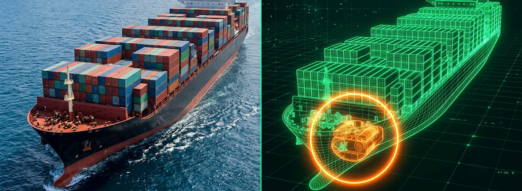
Traditional CCTVs captured footage. AI-enabled units interpret it.
The upgrade to intelligent visual data completely changes the role of cameras on sea vessels. With AI, a CCTV does not passively record events for review but continuously analyses what is happening on board and flags what matters instantly. The camera becomes a part of the ship’s digital ecosystem.
AI models recognise patterns, behaviours, and anomalies that previously went unnoticed. They can check if safety gear is being worn properly, spot restricted-area access, track deck activity during cargo loading/unloading, and raise alerts on unusual movements that could signal risk or inefficiency. As intelligent visual feeds work, all these tasks are consistently and tirelessly handled without fatigue or distractions.
The difference between the output of old and AI-powered CCTVs is profound for shore teams. Instead of waiting for reports, they stay aware of the exact conditions on board around the clock. The systems show them how critical procedures are being actioned.
For crews, AI-backed visual feed technology is a reliable support mechanism, not merely surveillance. It helps to identify risks earlier, reinforces safe practices, and reduces the pressure of manual reporting.
In the maritime industry, AI turns video from a passive archive into an active source of operational insight.
Where Visual Intelligence Delivers Operational Value
Vessels with continuous cognitive ability to understand what they see on board and around them can manage risk and accountability at sea efficiently. Here’s how they drive responsible operations:
Safety
Compliance
Remote Operations
Giving these capabilities to vessels, visual feeds provide an active layer of safety, assurance, and operational awareness.
Visual Data Becomes a Core Maritime Data Stream
Visual information is joining engine, navigation, and fuel data as a permanent part of the maritime information ecosystem. The camera installations began as basic security measures and, over the years, evolved into a continuous source of operational insight, supporting safer, more transparent, and more efficient ship management.
As fleets become more connected and shore teams take on greater oversight responsibilities, the ability to view what happens on board in real time must be standard. Visual feeds close information gaps, strengthen accountability, and lead to better-informed decisions for safety, compliance and routine vessel management.
In the years ahead, ships that can be seen, tracked, and measured will be better positioned to meet the increasing expectations of regulators, owners, and charterers alike. This is why AI-enabled CCTV is no longer optional.












.png)


















Sign up to our monthly newsletter where we will share insights, invites to exclusive webinars and other events.


