

By :
|

Deck Diaries 2:
Seeing the Unseen: How Camera AI Changed My Maritime World
When I first set foot on a vessel three decades ago, “visibility” meant what you could see with your own eyes or through a pair of binoculars. Every inspection was manual, every safety check required a crew member’s presence, and every incident often came with the dreaded phrase “We’ll review the footage later.” Later often meant too late, at best, but mostly, never.
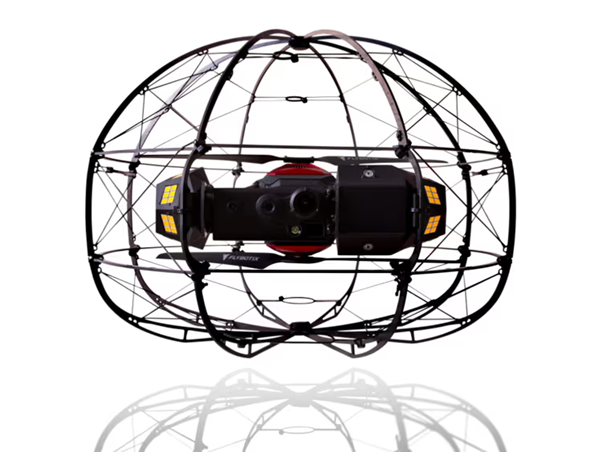
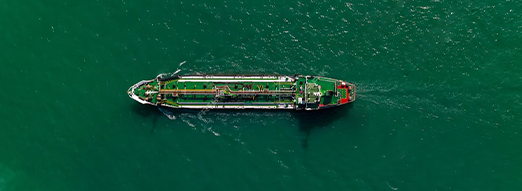
The most fascinating cameras weren’t the shiny new iPhone 16s or high-end Nikon D850 DSLRs, but the rugged, built-in ones aboard a tanker vessel. Even the palm-sized drones flying through pipelines with inspection cameras gave the ship a touch of retro sci-fi.
Today, that world feels like another lifetime.
As someone who has spent most of my career divided between the ship and the shore, I’ve watched our ships evolve from analog, reactive machines into data-rich, AI-enabled ecosystems. The single most dramatic shift? The arrival of Camera AI: a system that doesn’t just watch, but also analyzes and helps us act in real time.
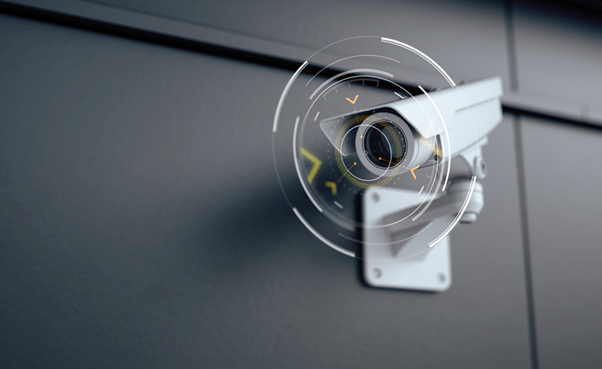
AI is steadily transforming maritime operations, and one of the most promising applications is AI-enabled camera systems onboard ships. These smart cameras are designed not just to record, but to actively detect unsafe practices, highlight risks, and ultimately help prevent major accidents.
It can be said that the cameras have a “mind of their own”. Like a baby, the AI needs to be trained on millions of images for it to function independently and accurately.
From Blind Spots to Full-Spectrum Awareness
On a few of our ships where we implemented Smart Ship Hub’s AI camera solutions, we strategically placed cameras across key zones: the bridge, decks, gangways, engine rooms, mooring stations, and cargo holds. These cameras feed into a unified dashboard, streaming live footage to both the onboard control room and our onshore monitoring centre.
What’s revolutionary is the real-time insight. We could see in real time:
In the analog era, spotting these risks relied on human vigilance: imperfect, fallible, and temperamentally subjective. Now, it’s automated, continuous, and data-backed.
360° Visibility For Faster Decisions
These cameras are essentially sensors feeding a real-time operational maritime nervous system. Each detection is logged, categorized, and analyzed over time, building a profile of vessel health and crew behaviour. The volume of data that is collected over time also allows me to detect patterns that foretell an incident. According to a general study, 600 near-misses lead to 1 fatality. However, near-miss reporting has become mere paperwork to meet the audit requirement, while the underlying unsafe acts continue to happen.

1. Inward-Looking Cameras
These are focused on activities within the ship, supporting day-to-day safety and compliance by:
2. Outward-Looking Cameras
These extend situational awareness beyond the ship, providing valuable insights into the surrounding environment:
It’s natural to ask: “Haven’t ships always had crew on watch, CCTV systems, and human oversight?” The answer is yes. But the reality is:
Traditional monitoring methods are no longer enough on their own.
Camera AI is not here to replace seafarers or established practices—it is here to augment them. Its benefits include:
Camera AI represents a natural evolution in shipboard safety and efficiency. By combining human expertise with technology-driven vigilance, it reduces risks, enhances situational awareness, and protects both people and assets. In an era of rising operational costs and increasing regulatory scrutiny, Camera AI is not just an innovation: it is becoming an essential tool for the future of safe and sustainable shipping.
Safety Minus the Guesswork
Maritime safety has always been a delicate balance of training, vigilance, and procedure. But humans get tired. The weather gets rough. Communication breaks down.
With AI, safety hazards are detected and alerted to the crew before they escalate. If smoke appears in the engine control room, the system raises the alarm and identifies the exact location, shaving precious minutes off our emergency response by sending an instant alert to the bridge and the shore office.
The system even detects unsafe behaviours—like mobile phone usage on the bridge during navigation or crew leaning over safety rails at height—allowing us to intervene in real time.
Bridging Ship and Shore
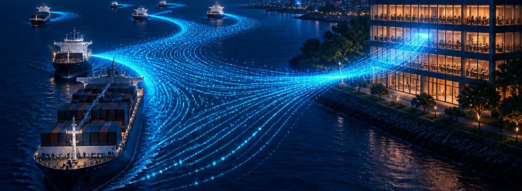
One of the most powerful changes is in connectivity. With all video streams integrated into a cloud-enabled platform, the shore teams now have a ring-side view of the entire vessel operations.
During my early maritime days ashore, I would typically identify a problem by the ship’s next port visit or by noon. Now, I can log in from Singapore, Rotterdam, or Mumbai and see precisely what’s happening on a vessel halfway around the world, whether it’s a mooring operation in rough weather or a routine maintenance task. This helps build a shared operational picture between ship and shore, aligning decision-making in real time.
The Economics and Cultural Shift
While safety and compliance are the headline wins, the economics are equally compelling. By reducing manual watchkeeping requirements, preventing equipment failures, optimising fuel usage, and avoiding costly delays from incidents, AI-driven camera systems more than pay for themselves.
We’ve seen insurance claims drop, port state inspections go smoother, and crew morale improve because everyone knows they’re working in a safer, smarter environment.
When we first introduced Camera AI, some of the crew were wary, fearing “Big Brother” oversight. They underwent a ‘siege’ mentality. The narrative changed quickly when they experienced its benefits firsthand: faster rescue in emergencies, reduced workload for routine checks, and clear evidence when incidents weren’t their fault.
Now, AI is viewed less as a watchdog and more as a guardian and guide—one that never sleeps, never looks away, and never stops learning.
And we have barely scratched the surface. We’re looking at a future where:
That’s the direction we’re heading, and I believe we’ll get there sooner rather than later.
Looking back, it’s remarkable how far we’ve come. We’ve moved from relying solely on human sight and delayed reports to a world where every corner of a vessel can be monitored, analyzed, and acted upon in real time.
Camera AI has fundamentally reshaped how we operate, maintain, and manage ships. The result is a maritime industry that’s leaner, safer, more sustainable, and better-connected than ever before.
And for someone like me, who’s seen the oceans from both the old world and the new, that’s more than just an upgrade. It’s a revolution.










.png)















Sign up to our monthly newsletter where we will share insights, invites to exclusive webinars and other events.


